

The Tweet That Instantly Became Bigger Than a Tweet
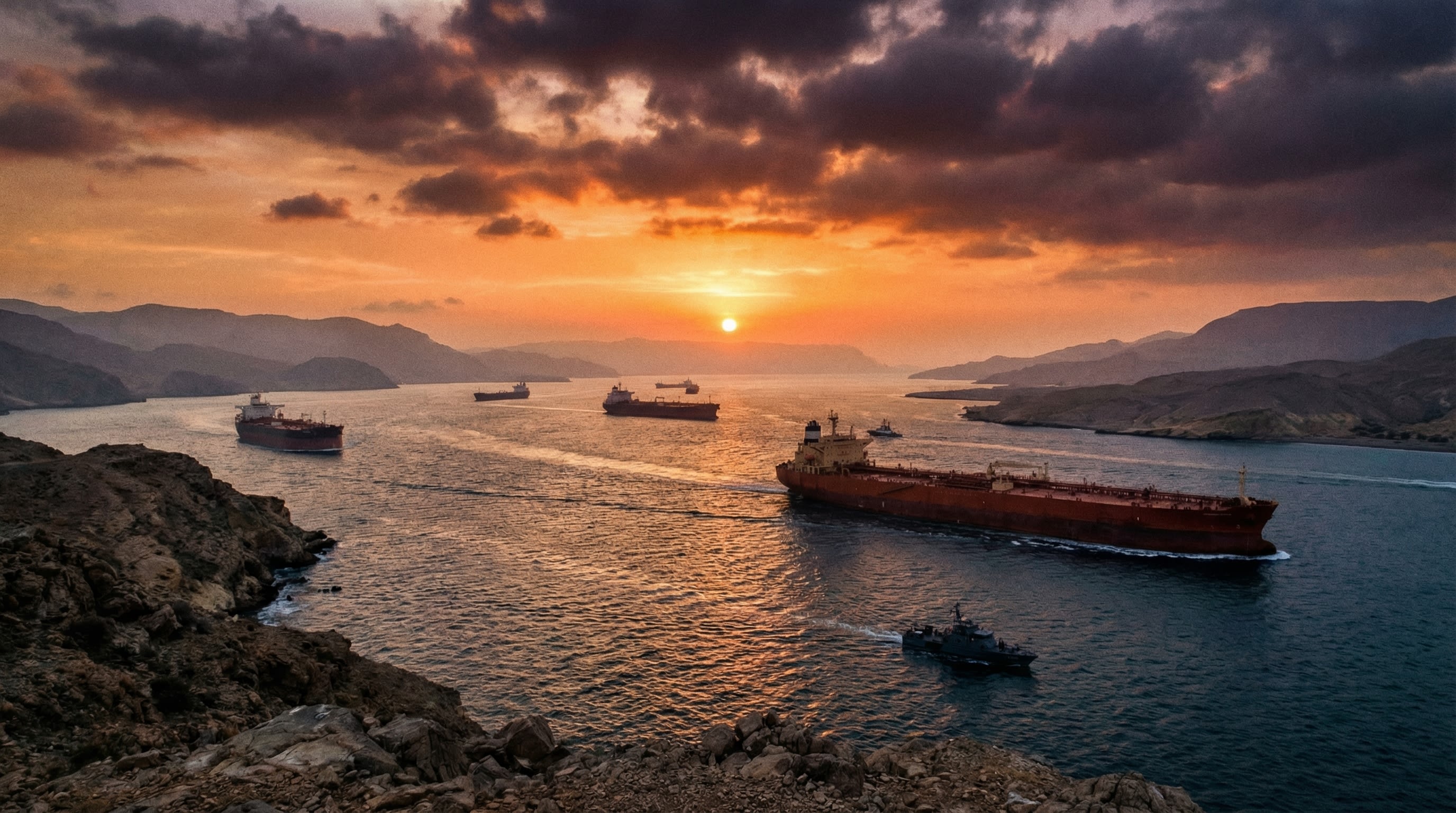
The line looked simple: “Our Indian friends are in safe hands, no worries.” But timing is everything. The message arrived in the middle of intense concern over the Strait of Hormuz, a sea passage so important that even a small disruption can jolt energy markets, shipping decisions, and political messaging across Asia.
That is why the post exploded online. It was part reassurance, part diplomatic theatre, and part strategic signal. Iran was not only calming Indian audiences; it was also reminding the world that access, influence, and confidence around Hormuz are deeply political during crisis moments.
Why the Strait of Hormuz Still Terrifies Markets
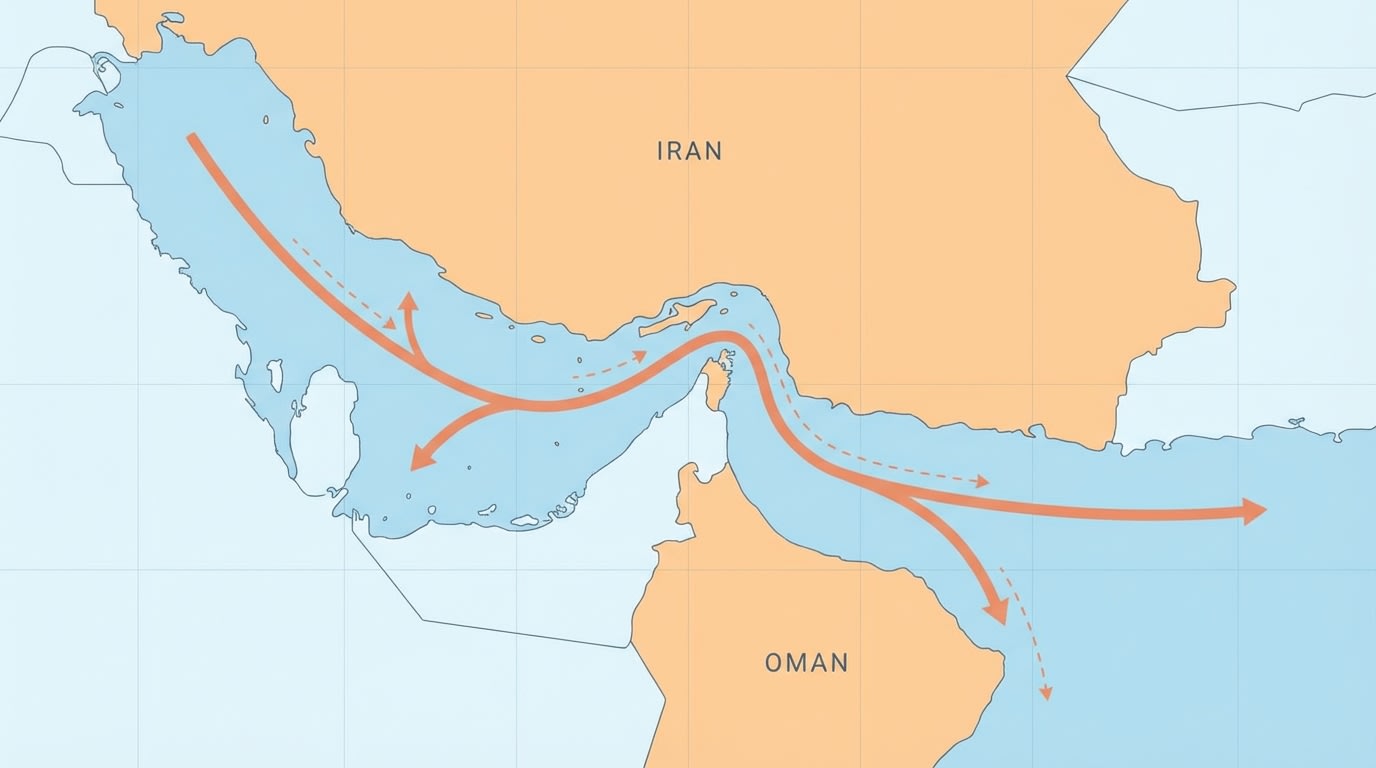
The Strait of Hormuz is one of the narrowest but most important energy routes in the world. Massive volumes of oil and petroleum liquids pass through it toward Asian markets. When traders hear the words disruption, closure, escort, or blockade in connection with Hormuz, the reaction is immediate because the route is tied to fuel prices, freight costs, insurance, and wider inflation expectations.
This matters beyond crude alone. A chokepoint shock can spill into diesel, aviation fuel, LPG sentiment, cargo rates, and supply-chain confidence. So when headlines say a country is “safe” in Hormuz, what they are really discussing is whether trade can continue with reduced fear and lower cost.
Why India Was Named — And Why That Matters to Nepal
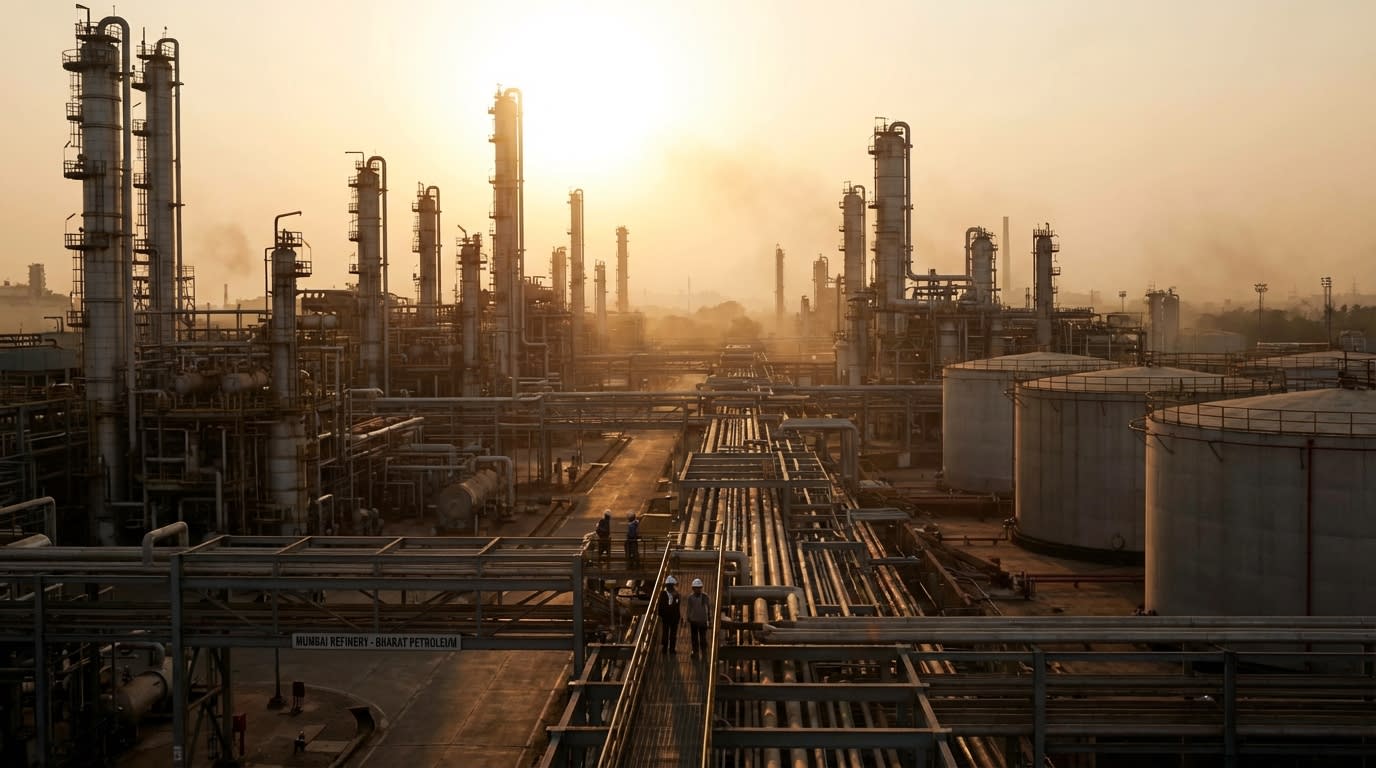
India is not just another country in this conversation. It is one of Asia’s major energy consumers, a large maritime stakeholder, and an important diplomatic actor in the region. Reassuring India publicly serves Tehran in several ways: it lowers panic, preserves a working relationship, and broadcasts that Iran can separate strategic partners from broader confrontation.
For Nepal, that matters because India is not just a neighbor; it is Nepal’s energy lifeline. If India gets reassurance, secures tanker movement, and stabilizes its own energy chain, that indirectly helps Nepal. But indirect help is not the same as guaranteed insulation. Nepal remains downstream from India’s energy stress.
Nepal’s Energy Reality: Close to India, Far From Control
Nepal does not control a sea route, does not import crude independently at scale, and does not operate with the strategic room that larger economies have. Nepal’s fuel security is heavily shaped by India’s price environment, refinery logistics, transport flow, and political response.
So even if no one threatens Nepal directly, the country can still feel the shock. If India faces higher procurement costs, insurance burdens, shipping uncertainty, or domestic price balancing pressure, Nepal can absorb those consequences later through the border, depot, and retail chain.
The Real Nepal Risk Is Not War — It Is the Cost of Distance
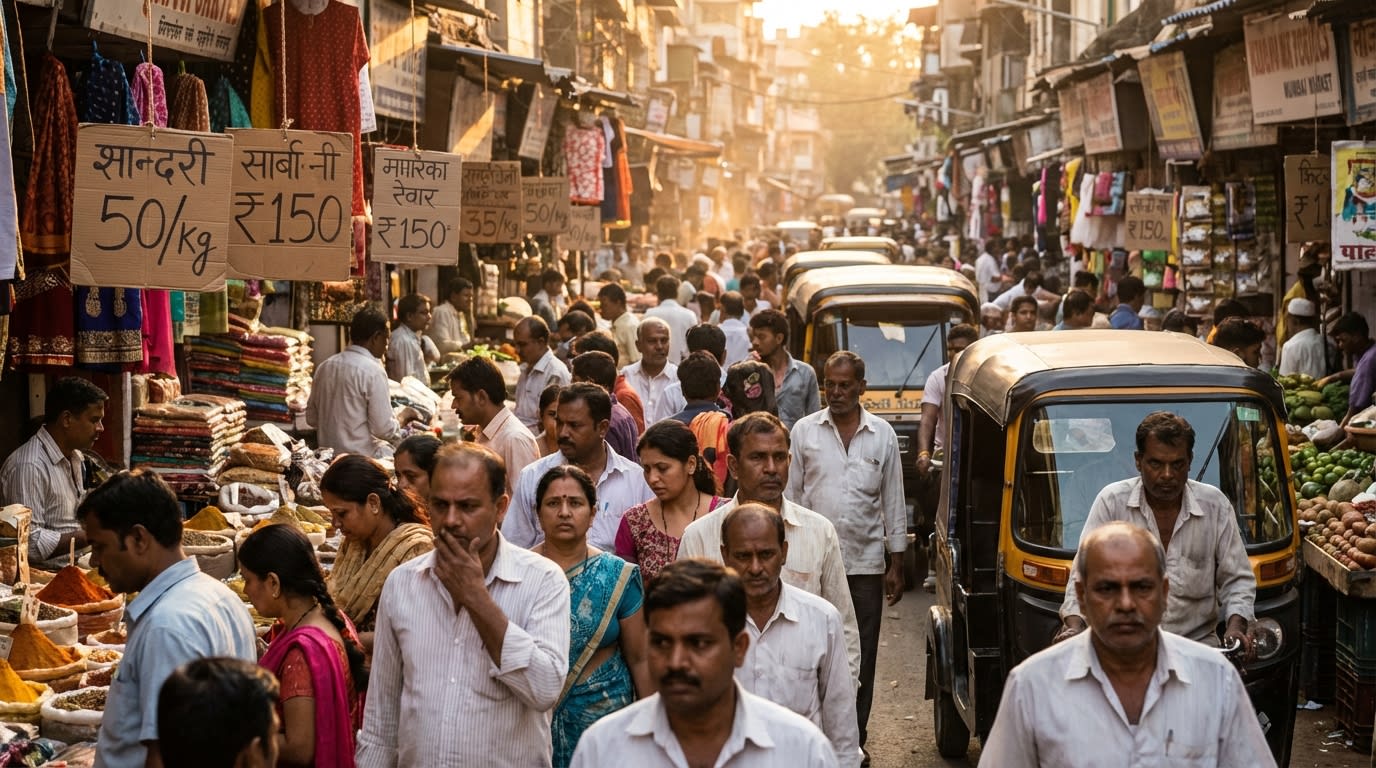
For Nepal, the headline risk is economic transmission. If global crude remains elevated or volatile, the pain is likely to show up in transport fares, bus operations, aviation pricing, delivery costs, and food inflation. A country does not need to be at war to suffer from war-driven pricing. It only needs to be import-dependent and buffer-poor.
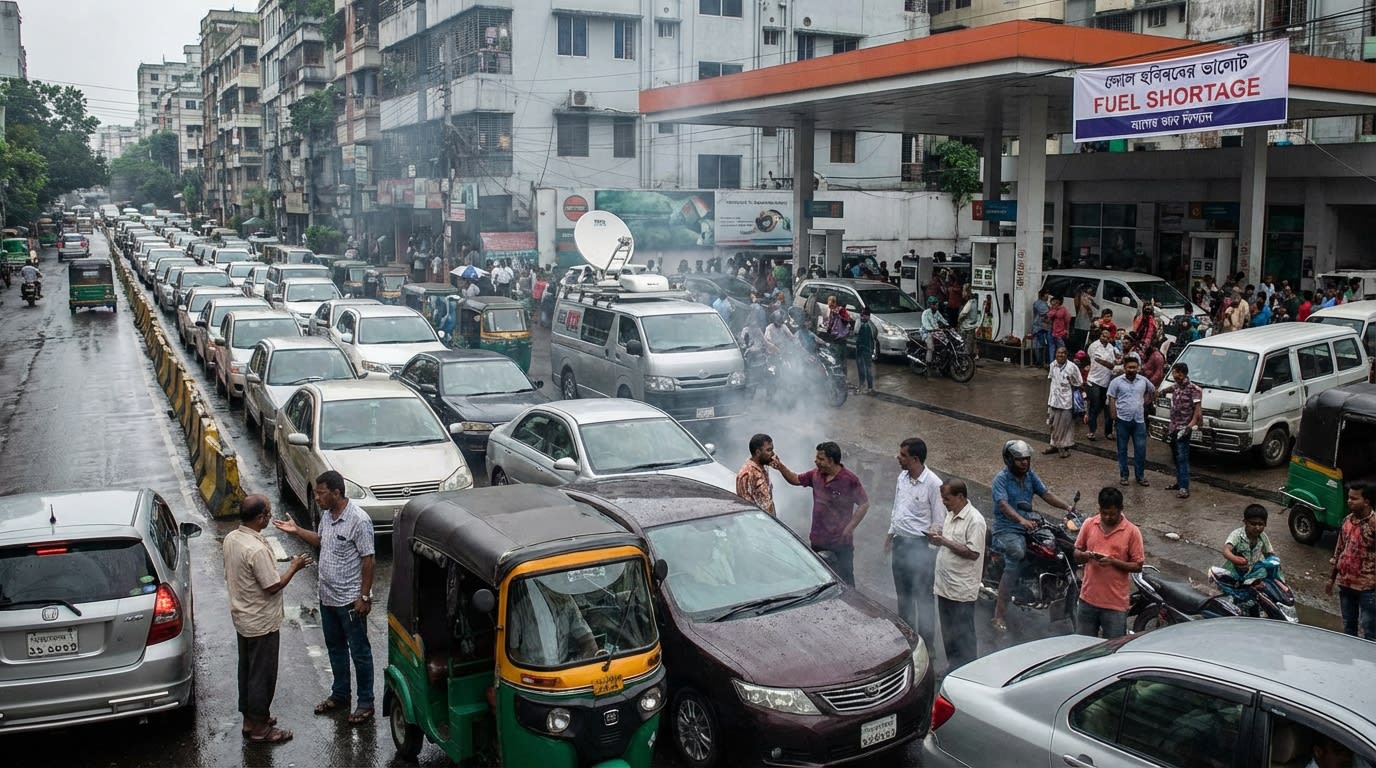
That is where this story gets personal. For an ordinary household, a Gulf shipping crisis becomes a local cost-of-living story very fast. Petrol and diesel affect movement. Movement affects vegetables, groceries, construction, tourism, and commuting. The chain reaction is boring on paper but brutal in daily life.
Why Public Psychology Matters Almost as Much as Supply
Nepal has lived through fuel anxiety before. Because of that history, international headlines can trigger fear well before an actual shortage appears. The market psychology of scarcity is powerful: rumor can accelerate demand, demand can strain local distribution, and distribution stress can produce even more fear.
In other words, a Hormuz scare does not need to physically stop fuel at the border on day one to become a Nepal story. It can become a Nepal story the moment people start believing that supply or price instability is coming.
What the Tweet Really Revealed About Power
The viral tweet was memorable because it compressed global politics into one line. It suggested that in a high-risk environment, safety is not universal — it is negotiated. Countries with scale, leverage, and relevance get visible reassurance first. Smaller dependent economies read the signal and then calculate their own vulnerability from the sidelines.
That is the deeper reason this became a Nepal-relevant story. Nepal was not excluded in a literal diplomatic sense. It was simply reminded, once again, that in an interconnected energy system, small countries often experience global crises as delayed but unavoidable economic pressure.
Bottom Line: If India Is Safe, Nepal Is Safer — But Not Safe
The best-case reading for Nepal is that India’s active diplomacy and supply management reduce the chance of immediate disruption. That is genuinely positive. But it should not be confused with immunity. Nepal remains exposed to price shocks, sentiment shocks, and second-order supply effects that can arrive even when direct passage for India is protected.
So the tweet matters not because it named Nepal, but because it did not have to. For Nepal, the message was clear enough: in a crisis built around oil, shipping, and strategic reassurance, your risk is defined by dependence. And dependence is exactly where Nepal remains vulnerable.
Editor’s framing
The tweet was aimed at India. The anxiety is regional.
For Nepal, this is the kind of story that starts as foreign policy and ends as a kitchen-table issue. If global oil routes remain tense, the impact shows up not as headlines alone, but as cost-of-living pressure.