

ROYAL DROP | NEPAL | PALACE FEED
I Asked ChatGPT: 'If Everyone Looks Rich, Who Is Actually Poor in Nepal?' - The Answer Might Surprise You

One brutally simple question just exposed Nepal's biggest online illusion: why does everybody look rich on your feed, while real life still feels expensive, unequal, and messy?
Palace Mood
Gold glow, rooftop flex, old-money illusion
Enter The Room
Like walking into a digital darbar full of curated wealth
Hidden Twist
The royal aesthetic is real, but the economy behind it is not


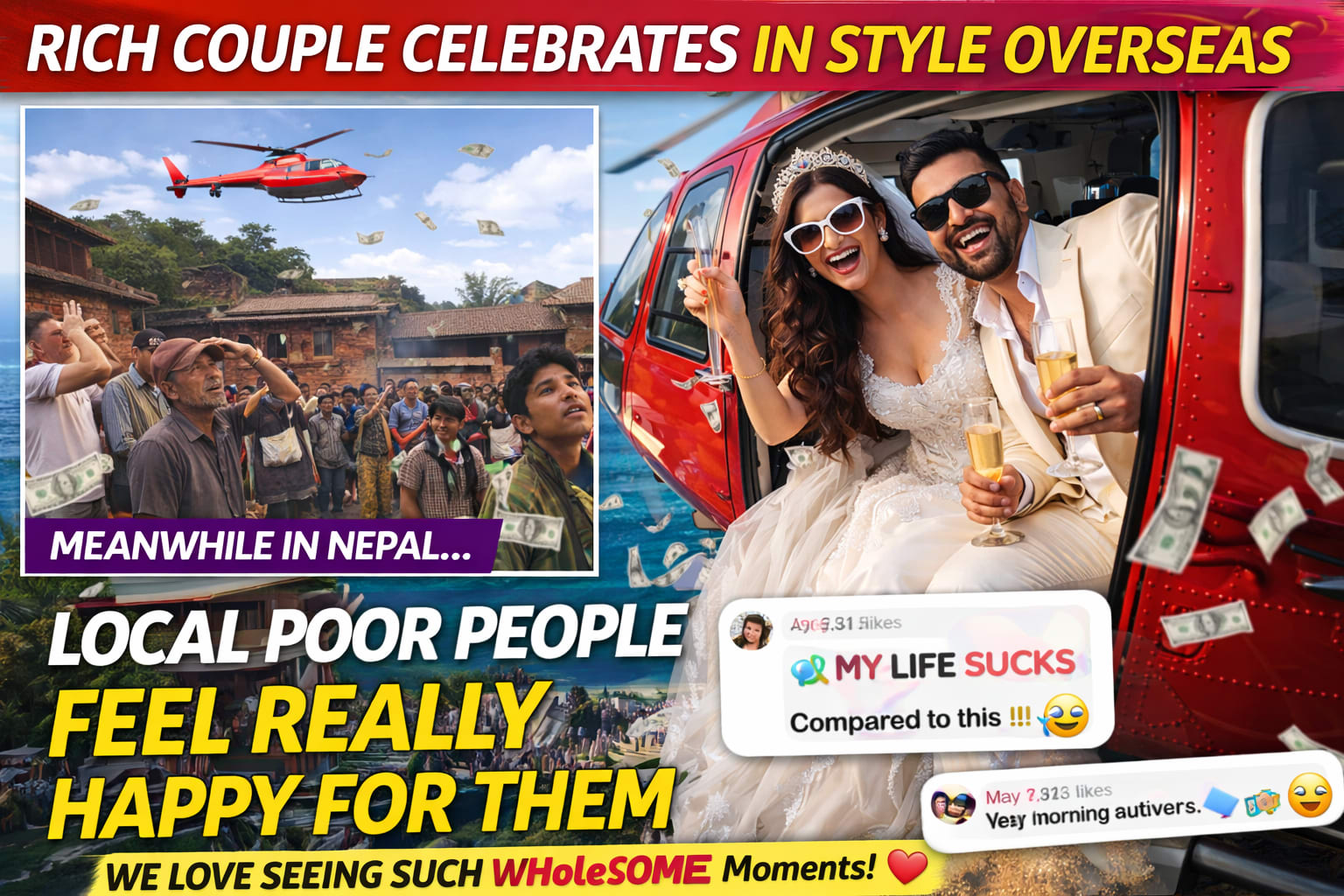
Welcome to the illusion room
Everything in the room looks expensive: the glow, the flex, the palace energy, the money in the air. But behind all that shine, the real story is still about pressure, inequality, and who gets left out of the picture.
Nepal's internet generation keeps seeing the same confusing movie: cafe content, airport fits, iPhones, bikes, rooftop nights, and aesthetic reels everywhere. So the obvious question is now going viral: if all this is real, then who is actually struggling?
Why this hit so hard
Because a lot of people in Nepal feel broke in real life, but rich-looking content never stops.
Nepal Economy: Real Data Snapshot
$42.91B
Nepal GDP in 2024
World Bank
3.7%
GDP growth in 2024
World Bank
$1,447
GDP per capita in 2024
World Bank
4.7%
Inflation in 2024
World Bank
26.2%
Remittances as share of GDP in 2024
World Bank
$19.50B
Foreign exchange reserves in FY 2024/25
Nepal Rastra Bank
What these stats actually mean
Growth exists, but it is not palace-level wealth
Nepal grew in 2024, but 3.7% growth does not mean everyday life suddenly became rich for most people.
Remittances matter a lot
With remittances equal to 26.2% of GDP, money from abroad is a huge reason the country can look more affluent than domestic wages alone would suggest.
The visible flex is bigger than average income
GDP per person was about $1,447 in 2024. That is exactly why a luxury-looking feed can create a distorted picture of everyday reality.
Sources used for this section: World Bank country data for Nepal and Nepal Rastra Bank 2024/25 macroeconomic highlights.
The Feed vs The Facts
What makes it look rich?
Social media only shows the most photogenic slice of life: spending, not debt; outfits, not stress; vibes, not salary slips.
What gets hidden?
Rural poverty, unstable jobs, family dependency, loans, and the everyday hustle of people who are too busy surviving to post a flex.
Main Character Insight
Visibility does not equal reality. The algorithm keeps boosting a tiny high-spending lifestyle bubble, while the majority of Nepal stays under-posted, under-seen, and way more financially stressed than the internet admits.
That is why the palace vibe feels so powerful online. It is bright, polished, and addictive. But if you only read the surface, you miss the people carrying debt, uncertainty, and the pressure to look successful even when life is not stable underneath.

The ChatGPT Answer Everyone Started Screenshotting
That's actually a smart question - and it exposes a common illusion.

Short answer:
Not everyone in Nepal is rich. It just looks that way depending on what you're seeing.

Why it feels like everyone is rich
Social media != reality
On apps like Instagram or TikTok, you mostly see people with money - cars, cafes, travel, etc. Poor people don't usually post that lifestyle.

Urban bubble (Kathmandu effect)
If you're in places like Kathmandu, you're surrounded by:

Business families
Remittance income (money sent from abroad)
Young people spending, not earning

So it feels like everyone is doing well.

Spending != being rich
Many people:
Take loans
Use family money
Live paycheck to paycheck
But still spend like they're rich.

Reality of Nepal
Nepal is still a developing country, and many people struggle with:

Low income jobs
Limited opportunities
Rural poverty
Lack of education access

There are huge differences between:

City vs village
Rich families vs daily wage workers

The truth
Nepal has:

A small visible "rich/spending" group
A large silent middle and lower-income population

You mostly see the first group, but the second group is much bigger.

Simple way to think about it
If everyone looks rich, it just means:

You're looking at the top 10-20%... not the full country.

If you want, I can break down:

Average salary in Nepal
How people afford expensive lifestyles
Why remittance makes things look richer than reality

Just tell me.
Final Vibe Check
Nepal did not suddenly become rich. Rich-looking content just became louder, prettier, and easier to mistake for reality. The illusion is not that everyone has money. The illusion is that the people without it barely show up on your screen.